
Youth Rugby
Rugby Minis
Born before 2020
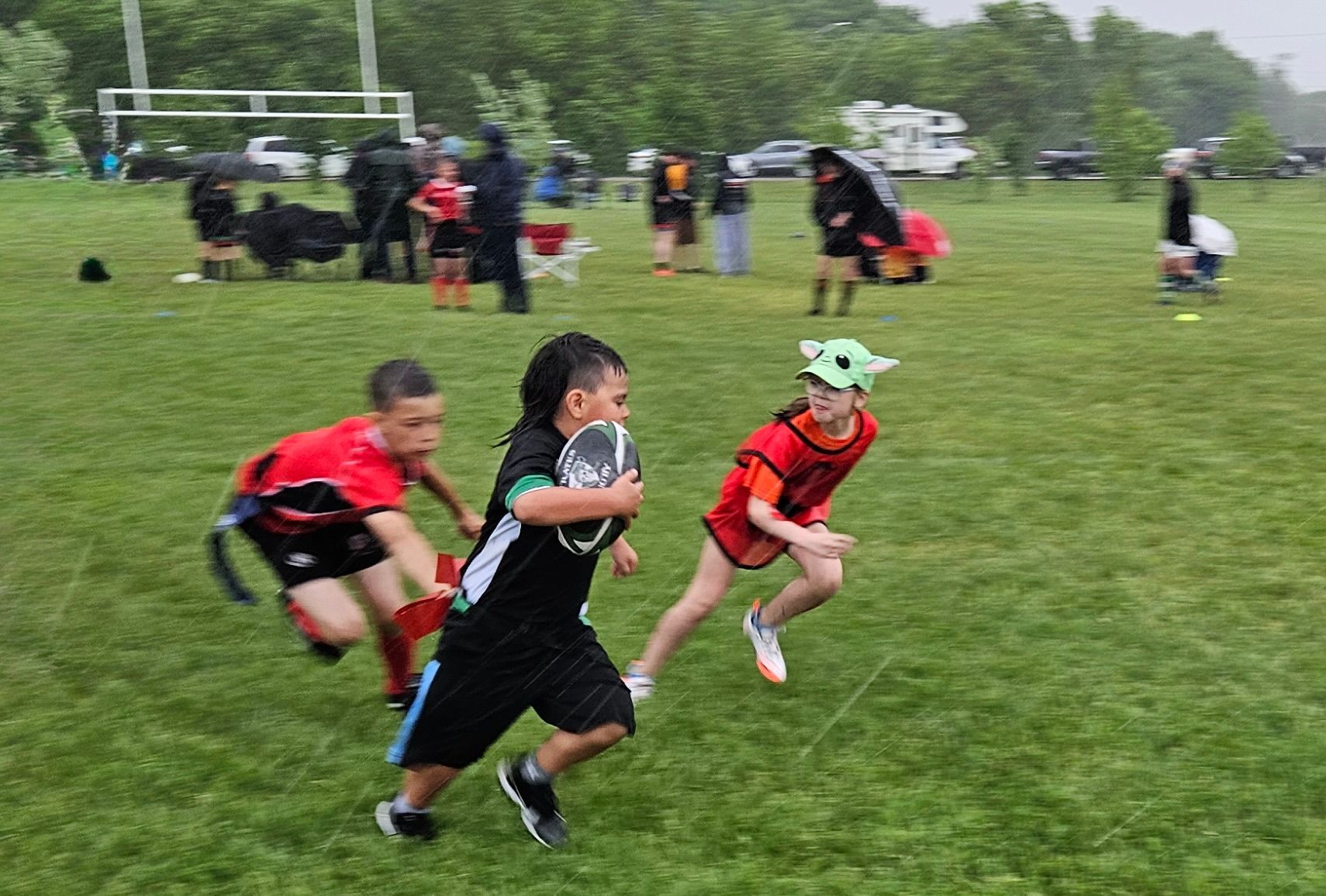
Flag Rugby
2017-2019 7 to 9 years
2012-2016 10 to 14 years
Intro to Tackle
2014-2016 10 to 12 years
2012-2014 12 to 14 years
For Players 14 and Under
Building confidence and problem-solving abilities that benefit kids both on and off the field.
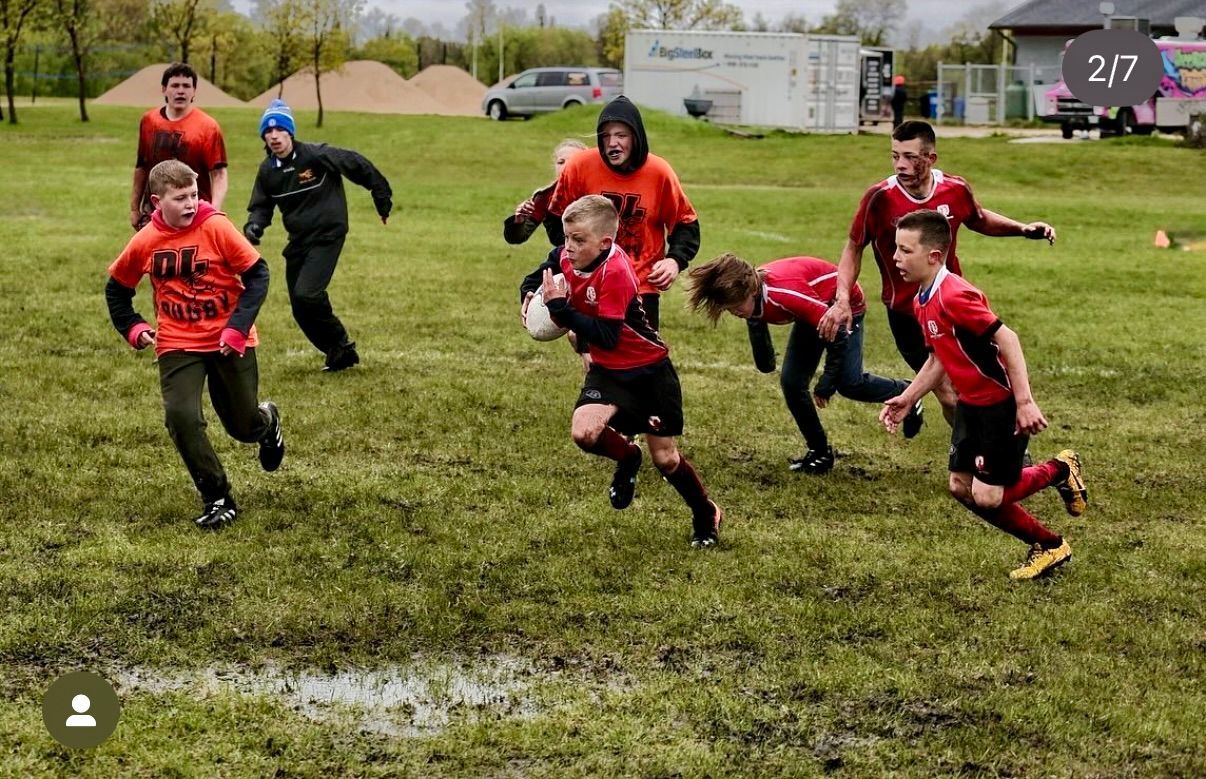
Youth rugby in Canada is growing quickly, and it’s easy to see why. The sport gives young athletes an exciting way to stay active while learning valuable life skills. In Manitoba, youth rugby programs continue to welcome more children each year, especially in the under-14 age group where the focus is on fun, participation, and safe skill development.
For players aged 14 and under, rugby introduces the basics of the game in a supportive environment. Young athletes learn to pass, run, communicate, and work together as a team. Programs across Manitoba emphasize inclusion, allowing players of all sizes, abilities, and experience levels to take part and enjoy the game.
Youth rugby helps develop a wide range of skills. Players build strength, agility, and endurance while learning teamwork, discipline, and respect. Because the sport combines individual effort with team strategy, kids also gain confidence and problem-solving abilities that benefit them both on and off the field.
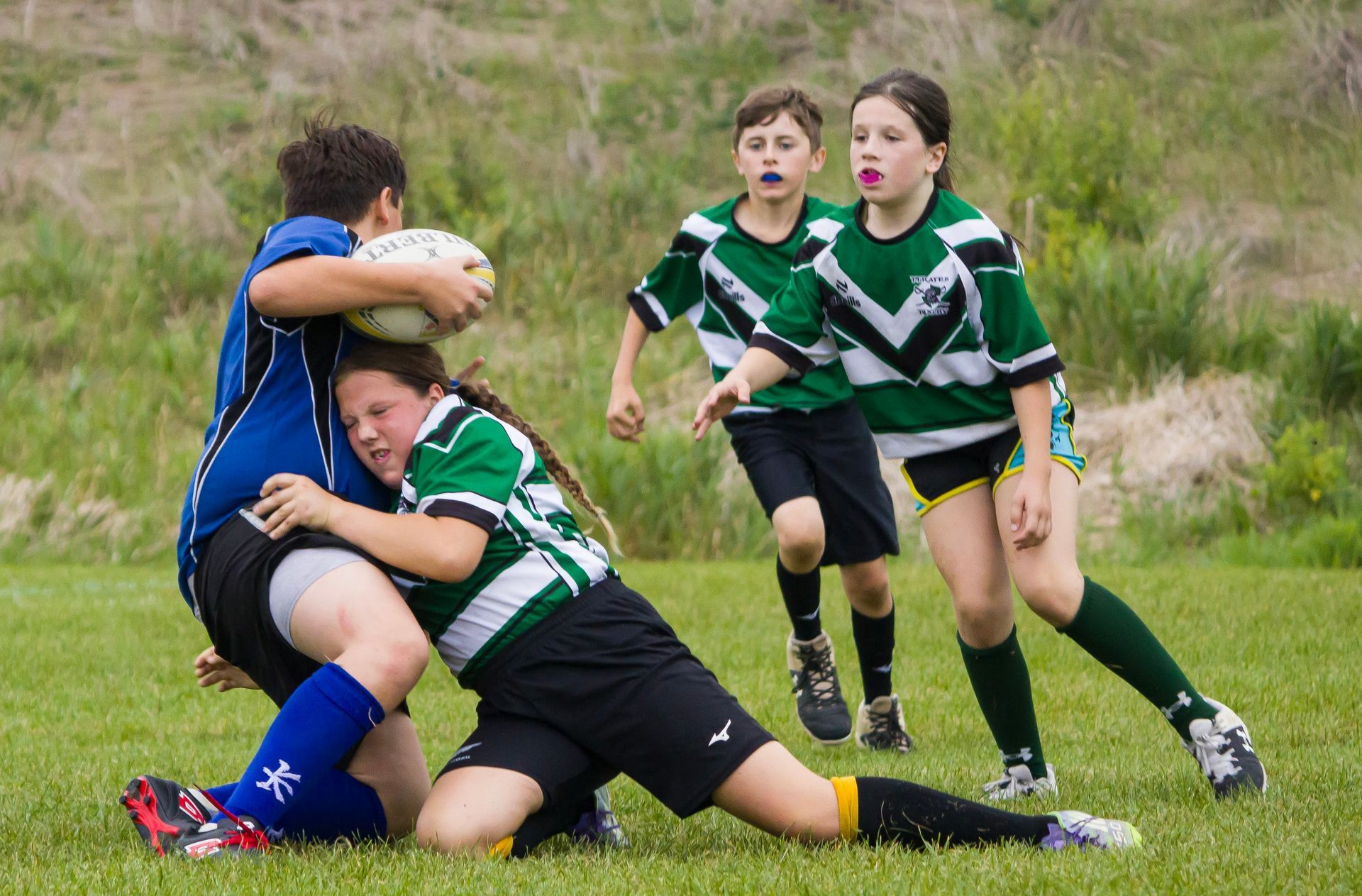
Safety is a top priority in youth rugby across Canada. Programs follow age-appropriate rules and training guidelines, and coaches receive certification in safe coaching practices, proper tackling techniques, and injury prevention. Many programs also introduce non-contact or modified versions of rugby so younger players can learn the game safely.
Across Manitoba, community clubs and local organizations offer youth programs focused on skill development, small-sided games, and fun competition. For kids under 14, rugby provides a great mix of fun, fitness, and teamwork while building friendships and a lasting love of sport.
2026 Manitoba Youth Rugby Tournament Schedule
May 2nd 10:30am – 1:30pm
Maple Grove Rugby Park, Winnipeg
May 9th 10:30am – 1:30pm
Field TBD, Winnipeg
May 23rd 10:30am – 1:30pm
Maple Grove Rugby Park, Winnipeg
(Opening day of the Manitoba Senior Leagues after our tournament)
May 30th 10:30am – 1:30pm
Republic of Manitobah Park, Portage la Prairie
June 6th 10:30am – 1:30pm
Maple Grove Rugby Park, Winnipeg
(High School Playoff games after our tournament)
June 13th 11:00am – 2:00pm
Kin-Field, beside Vermillion Park, Dauphin
(Dauphin Mavericks Rugby Club “Mav-Fest” - Sunday youth games available for any teams that want to stay overnight)
June 20th 10:30am – TBD
A.D. Penner Park, Steinbach
(Steinbach’s Summer in the City Festival)
June 27th 10:30am – 1:30pm
Selkirk Rec Center, Selkirk
(Indigenous People’s Day Celebrations)

Youth Rugby Clubs in Manitoba
Assassins
Practices Mon 6-7pm
Corner Churchill and Casey Drive, Winnipeg
Brendan Kowal
Caleb Stick
Dauphin
Practices Tues/Thurs 6-7pm
Kin-Field - Vermilion Sportsplex, Dauphin
Codi Harrigan
Maskwa
Practices Tues/Thurs 6-7pm
Selkirk Recreation Complex, Selkirk
Doug Stevenson
Portage Wolves
Practices Thurs 6-7pm
Field 23 Rotary Republic Park, Portage
Nathan Peto
Taika Kids Rugby
Practices Tues/Thurs 6:30-7:30
AD Penner Park, Steinbach
Isi Masi
Wanderers
Practices Mondays 5:45-6:45
Teddy Bass Athletic Field
Kildonan Park, Winnipeg
Joey Potter
Wombats
Practices
Maple Grove Rugby Park, Winnipeg
Brendan McManus
Colleen Horton
Youth Rugby Frequently Asked Questions
At what age can my child start playing rugby?
Children can start rugby as young as 4-5 years old through introductory programs such as non-contact or flag rugby.
Is rugby safe for kids?
Yes. Youth rugby in Canada uses age-appropriate rules and safety standards to protect players. Many younger programs begin with non-contact flag or touch rugby, and contact is introduced gradually as players develop the skills to tackle safely.
What safety measures are in place?
Youth rugby programs follow national safety guidelines set by Rugby Canada. Coaches receive training in safe tackling techniques, injury prevention, and concussion awareness.
When does contact rugby begin?
Non-contact rugby is played until around U11 or U12, with contact introduced gradually under coach supervision and specific age-grade rules designed to prioritize safety and development.
Does my child need experience to play?
No experience is required. Many players try rugby for the first time in middle school or high school, and programs are designed to teach beginners the basics of passing, running, teamwork, and game rules.
What equipment does my child need?
Basic equipment is minimal. Most youth players need:
- Cleats (soccer or rugby boots)
- Athletic clothing
- A mouthguard
How inclusive is rugby?
Rugby prides itself on being a sport for everyone. Youth programs welcome players of all backgrounds, abilities, and experience levels, and the sport emphasizes respect, teamwork, and community.
Can boys and girls play rugby?
Yes. Many youth programs are co-ed at younger ages, especially in non-contact rugby. As players get older, leagues often offer separate boys’ and girls’ teams depending on participation numbers.
What skills will my child learn through rugby?
Rugby helps young athletes develop:
- Teamwork and communication
- Fitness and coordination
- Confidence and resilience
- Respect for teammates, coaches, and officials
These values are central to rugby culture and youth sport development.
What is the cost to play rugby?
Rugby is generally a very affordable sport to participate in. Costs can vary depending on the club, but registration typically includes insurance, league fees, field costs, and basic team equipment. Players usually only need a mouthguard and cleats to get started. For specific registration fees, families should contact their local club.
How long is the rugby season?
The youth rugby tournament season in Manitoba runs for the months of May and June. Some clubs will begin practices in April if the weather allows.
What days and times are practices and games?
Practice days and times vary with clubs with most practicing one evening a week. Games are held in tournament format on Saturdays. (see tournament schedule above)
Who coaches rugby teams?
Youth teams are coached by trained volunteers or certified coaches who follow national coaching and safety guidelines. Player welfare and safe development are a major focus of Canadian rugby programs.
How do I register my child?
Describe the item or answer the question so that site visitors who are interested get more information. You can emphasize this text with bullets, italics or bold, and add links.